Media Release
Brisbane man in court charged with procuring a child for sex and sending an explicit video
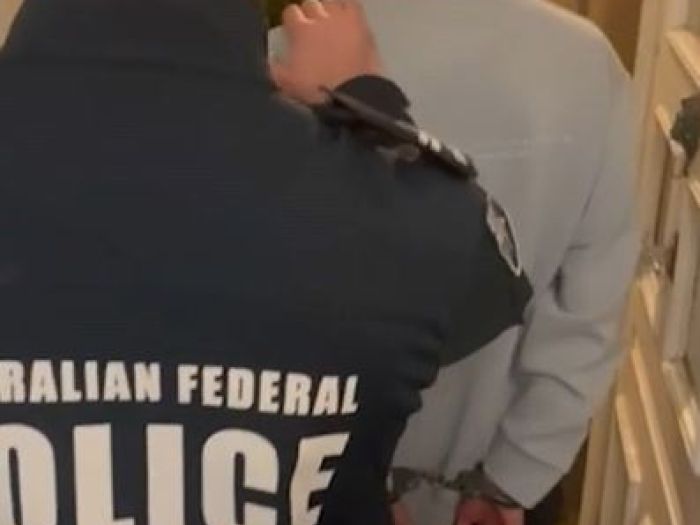
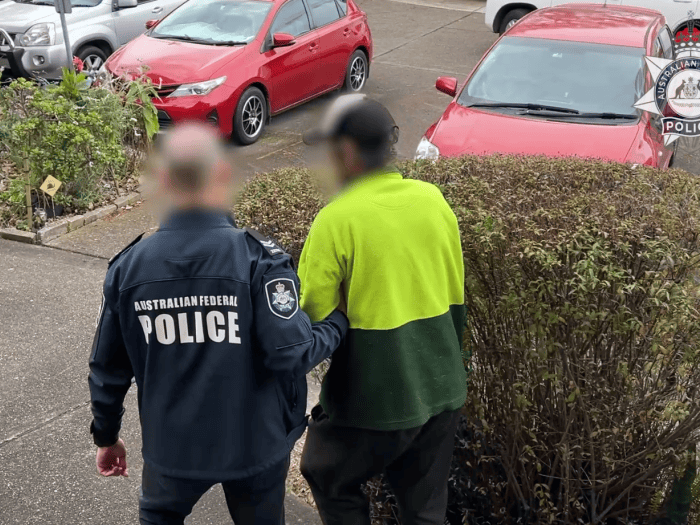
Editor’s note: Vision of the man with police is available via Hightail.
A Springwood man is expected to face Brisbane Magistrates Court today (5 December, 2025) for allegedly asking a child to meet him at a shopping centre toilet for sex and sending an indecent video of himself.
The AFP will allege the man, 52, messaged the child on an online communication platform in August, 2024, to organise to meet and later sent the video.
The child then stopped messaging the man, blocked him on the app and did not attend the rendezvous.
The AFP’s Northern Command Joint Anti Child Exploitation Team (JACET) began investigating in October, 2024, after a report from the United States’ National Center for Missing and Exploited Children.
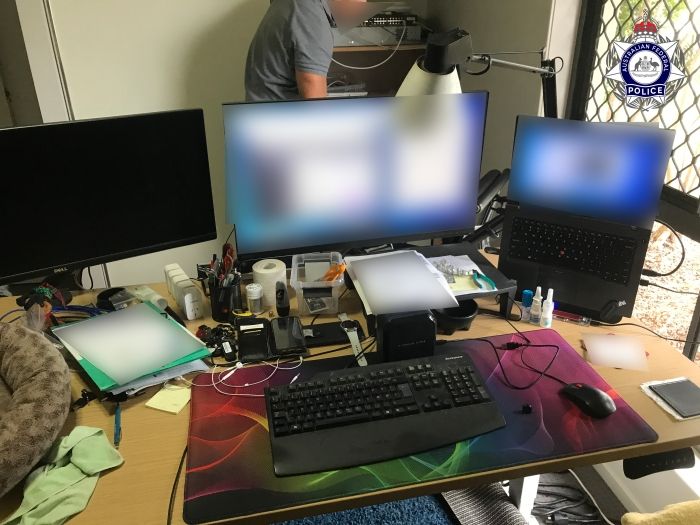
On 9 June, 2025, JACET members executed a search warrant at the man’s home and seized a mobile phone.
Forensic examination of the phone allegedly revealed chat and contents had been deleted from the phone, but were restored by the messaging platform at the request of investigators.
On 9 October, 2025, the man was charged with:
- Use a carriage service to procure a person under 16 years of age, contrary to section 474.26 of the Criminal Code (Cth) 1995, which carries a maximum penalty of 15 years’ imprisonment and;
- Use a carriage service to transmit indecent communication to a person under 16 years of age, contrary to section 474.27A(1) of the Criminal Code (Cth) 1995, which carries a maximum penalty of 10 years’ imprisonment.
Leading Senior Constable Paul Graham said the investigation served as a reminder for parents to think about what children could be exposed to online.
“Indecent messages aimed at children are abhorrent, and the AFP investigates these matters intensely to put offenders before the court,” LSC Graham said.
“Offenders look to exploit children online however they can, so it’s always important for parents to be mindful of who children could be interacting with online.”
The AFP and its partners are committed to stopping child exploitation and abuse and the Australian Centre to Counter Child Exploitation (ACCCE) is driving a collaborative national approach.
The ACCCE brings together specialist expertise and skills in a central hub, supporting investigations into online child sexual exploitation and developing prevention strategies focused on creating a safer online environment.
Members of the public who have information about people involved in child abuse are urged to contact the ACCCE. If you know abuse is happening right now, or a child is at risk, call police immediately on 000.
If you, or someone you know, is impacted by child sexual abuse and online exploitation, support services are available.
Find advice and support for parents and carers about how they can help protect children online at the ThinkUKnow website, an AFP-led education program designed to prevent online child sexual exploitation.
For more information on the role of the ACCCE, what online child sexual exploitation is and how to report it, visit the ACCCE website.
Note to media
Use of term 'CHILD ABUSE' MATERIAL not ‘CHILD PORNOGRAPHY’
The correct legal term is Child Abuse Material – the move to this wording was among amendments to Commonwealth legislation in 2019 to more accurately reflect the gravity of the crimes and the harm inflicted on victims.
Use of the phrase ‘child pornography’ is inaccurate and benefits child sex abusers because it:
- indicates legitimacy and compliance on the part of the victim and therefore legality on the part of the abuser; and
- conjures images of children posing in 'provocative' positions, rather than suffering horrific abuse.
Every photograph or video captures an actual situation where a child has been abused.